
2026 BMW 3 Series vs. 2026 Lexus ES
The Architecture of Performance.

In the executive sedan segment, two philosophies dominate the market. One prioritizes isolation and passive comfort; the other demands engagement and mechanical precision. For the 2026 model year, this divide widens. The 2026 BMW 3 Series retains its benchmark status as a rear-wheel-drive based sports sedan, while the redesigned 2026 Lexus ES shifts further into electrification with a front-wheel-drive based platform.
For Knoxville drivers navigating the winding roads of East Tennessee, the distinction is critical. Grayson BMW provides this technical analysis to clarify why the 3 Series remains the superior choice for those who drive rather than merely commute.
Chassis Fundamentals: RWD vs. FWD Bias.
The defining difference between these two vehicles lies in their architectural roots. The 2026 BMW 3 Series is built on the CLAR (Cluster Architecture) platform. This longitudinal engine layout pushes the mass of the engine behind the front axle, achieving a near-perfect 50:50 weight distribution. This setup ensures that the front tires are dedicated to steering while the rear tires handle propulsion, resulting in uncorrupted steering feedback.
Conversely, the 2026 Lexus ES utilizes the TNGA GA-K platform. This is a transverse engine layout with a primary bias toward front-wheel drive. Even when equipped with the new eAxle AWD systems, the ES behaves like a front-drive vehicle under heavy cornering, exhibiting understeer, which is a tendency for the vehicle to push wide in turns. The BMW 3 Series xDrive system maintains a rear-bias, allowing the tail to rotate slightly under power for sharper corner exit speeds.
2026 BMW 330i vs. 2026 Lexus ES 350h Specs.
| Specification | 2026 BMW 330i | 2026 Lexus ES 350h | Advantage |
|---|---|---|---|
| Engine Layout | Longitudinal Inline-4 Turbo | Transverse Inline-4 Hybrid | BMW (Balance) |
| Horsepower | 255 hp @ 5,000 rpm | 243 hp (Total System) | BMW (+12 hp) |
| Torque | 295 lb-ft @ 1,550 rpm | N/A (CVT limited) | BMW (Low-end torque) |
| Transmission | 8-Speed Sport Automatic | e-CVT (Continuously Variable) | BMW (Shift logic) |
| 0–60 MPH | 5.6 Seconds | ~7.0 Seconds (Est) | BMW (Acceleration) |
| Drivetrain | RWD (xDrive Available) | FWD (AWD Available) | BMW (Dynamics) |
The BMW 3 Series utilizes the ZF 8-speed automatic transmission. This torque-converter gearbox locks up early to provide a direct mechanical connection between the engine and wheels. The Lexus ES 350h uses an e-CVT (Continuously Variable Transmission). While efficient, the CVT disconnects engine speed from road speed, creating a "rubber band" sensation during hard acceleration on I-40 on-ramps.
Dynamic Handling Package vs. Executive Package.
Lexus markets the 2026 ES with a focus on rear-seat luxury, offering features like an "Executive Package" with massaging rear seats. This confirms the vehicle's identity as a passenger-oriented cruiser.
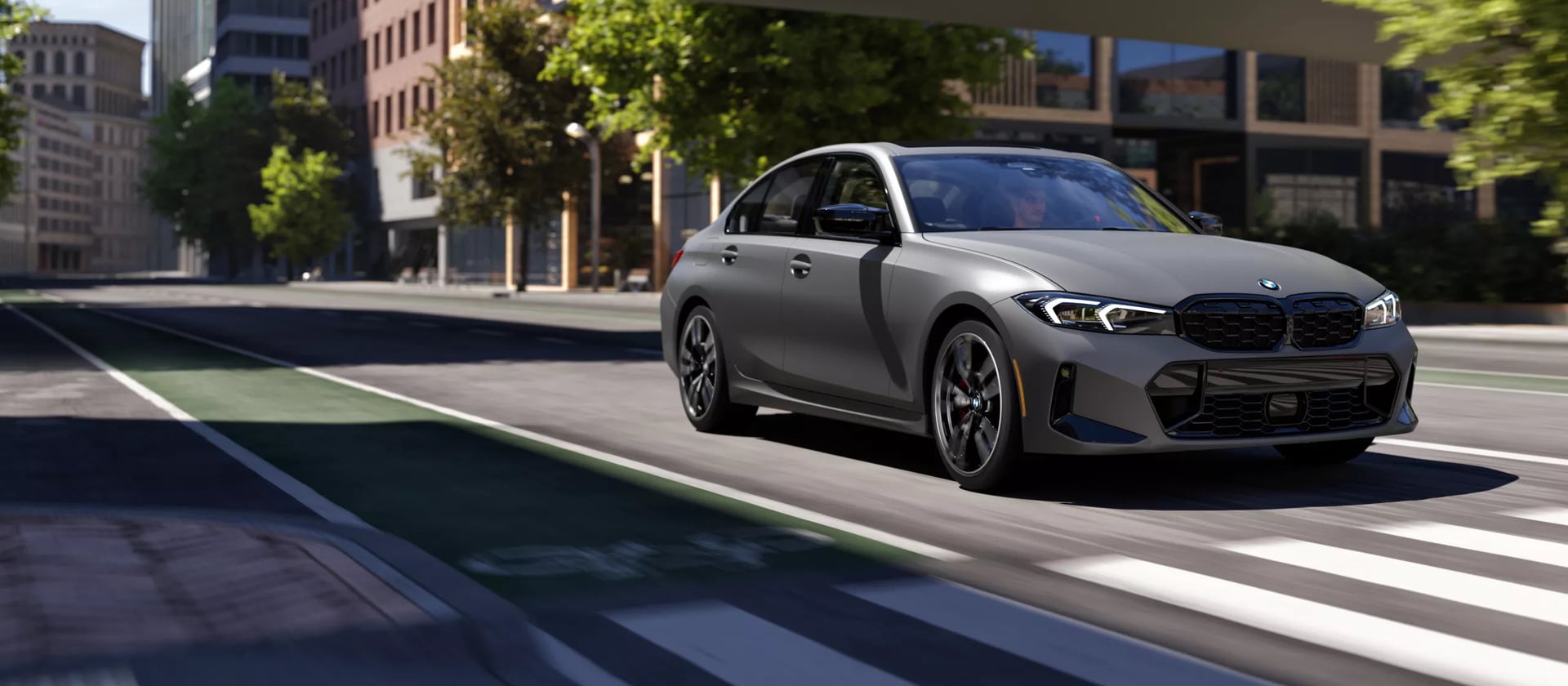
The BMW 3 Series prioritizes the driver. The available M Sport Package alters the vehicle's physics, not just its aesthetics. It includes:
M Sport Suspension: Stiffer springs and dampers reduce body roll.
Variable Sport Steering: Adjusts the steering ratio based on speed for razor-sharp turn-in.
M Sport Brakes: Larger calipers and rotors resist fade during spirited driving on the Tail of the Dragon.
While the Lexus ES has grown 6.5 inches in length to maximize cabin space, this added wheelbase compromises agility. The compact dimensions of the 3 Series allow it to thread through Knoxville traffic with precision that the larger ES cannot match.
Interior Technology and Driver Focus.
The 2026 Lexus ES introduces a 14-inch touchscreen interface, largely replacing physical buttons with digital controls.
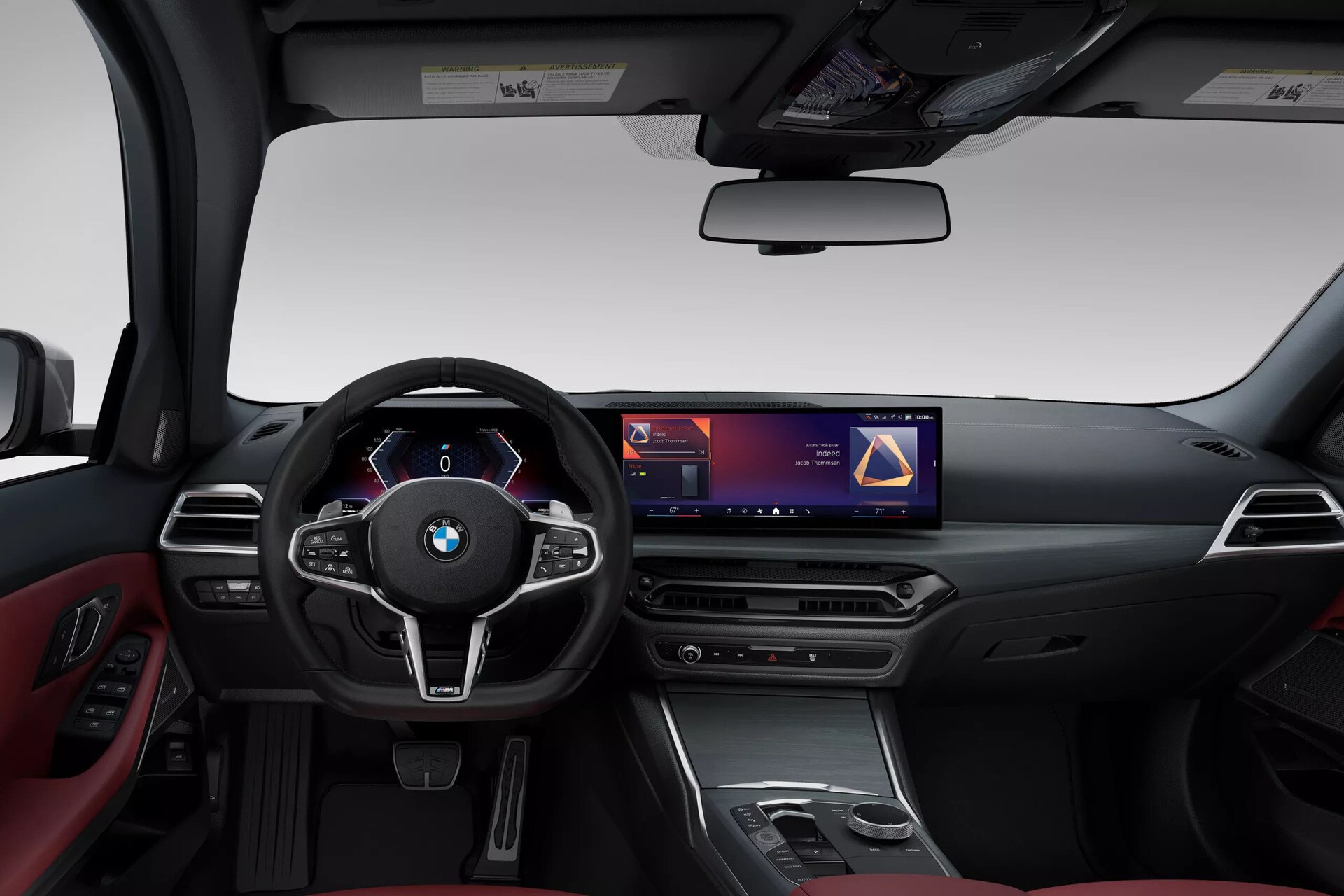
The BMW 3 Series counters with the BMW Curved Display running iDrive 8.5. Crucially, BMW retains the iDrive rotary controller on the center console. This allows the driver to navigate menus by feel without taking their eyes off the road, which is a critical safety feature for active drivers. Furthermore, the BMW Intelligent Personal Assistant uses natural language processing to control vehicle functions, offering a layer of interaction that feels intuitive rather than forceful.
Conclusion: The Driver's Choice.
The 2026 Lexus ES is a competent luxury conveyance designed to isolate occupants from the road. The 2026 BMW 3 Series is a precision instrument designed to connect the driver to the road. For Grayson BMW clients who view driving as an activity rather than a chore, the choice is clear.
Visit our showroom on Parkside Drive to experience the rotational balance of the 3 Series firsthand.